



Japanese Stadium Representatives Visit Sports & Stadia to Explore MacLeod Pitch Protection
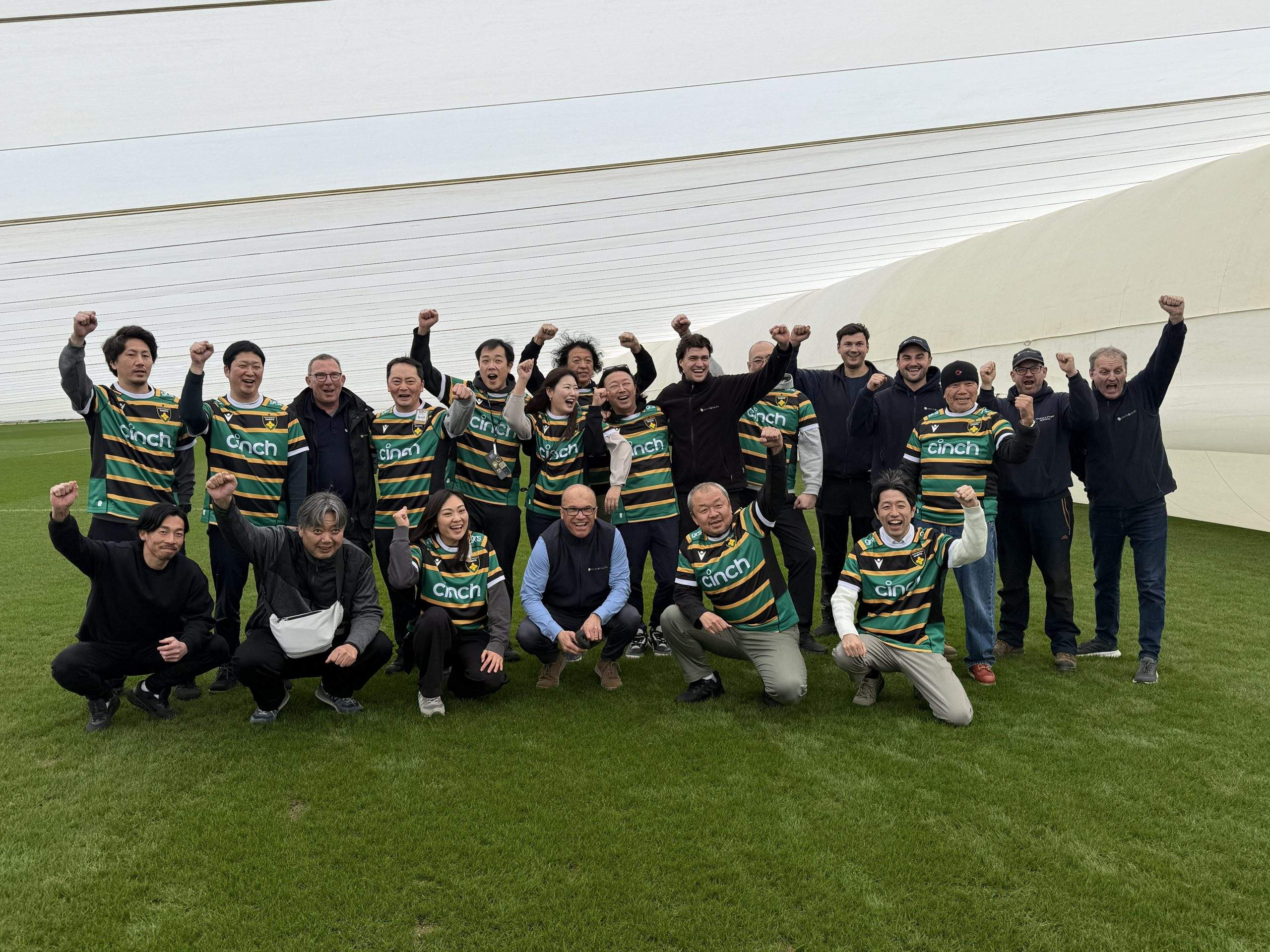
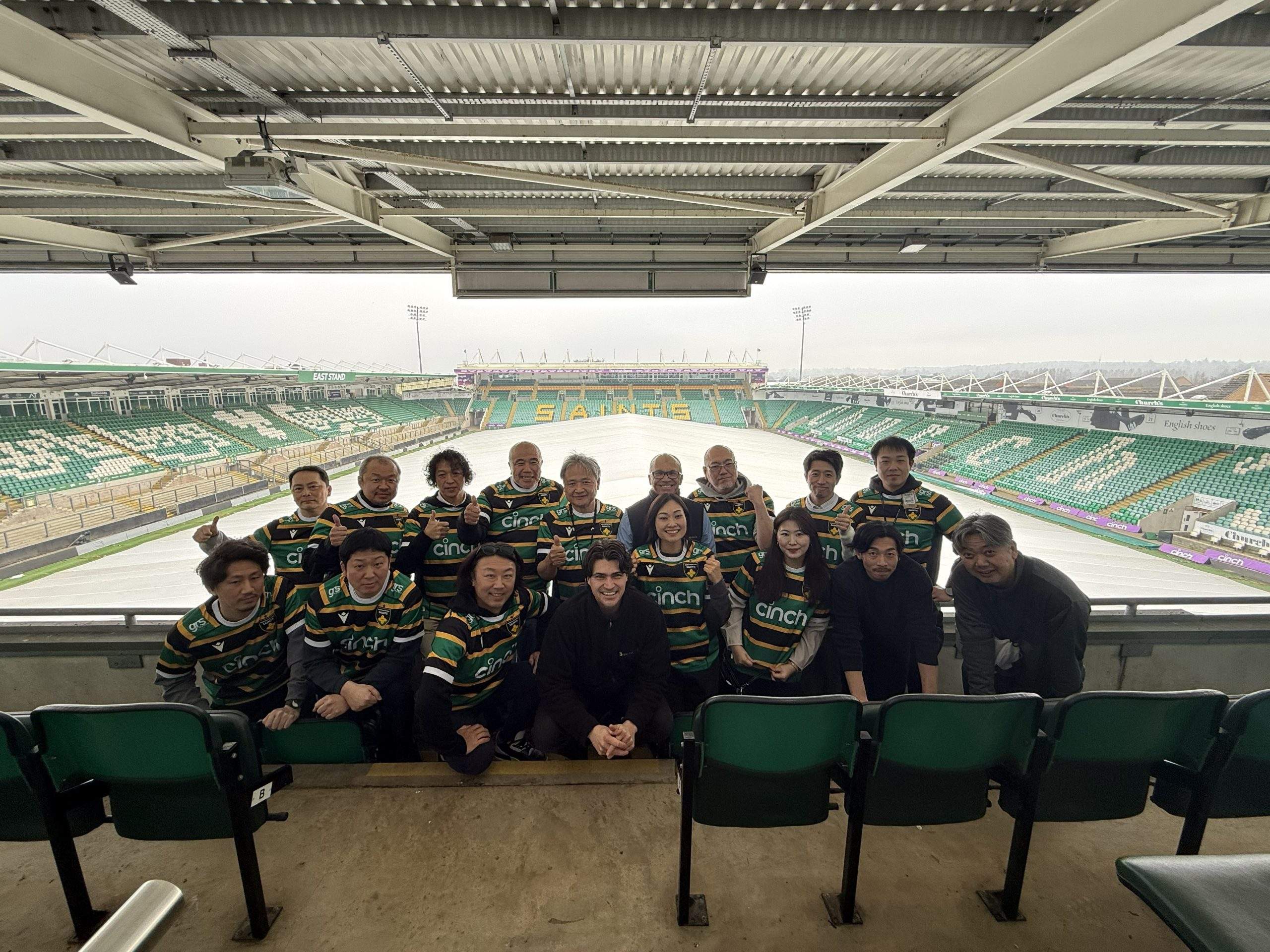
Sports & Stadia recently welcomed representatives from Kofu Field Co, and a delegation of Japanese stadium professionals to the UK for a hands-on demonstration of the MacLeod Pitch Protection System.
The visit comes at an increasingly relevant time for Japanese football. With the domestic football calendar moving towards greater use of the winter months, driven in part by the wider commercial and broadcasting landscape, clubs and stadium operators are facing an evolving set of seasonal pitch-management challenges.
This changing calendar places greater importance on reliable winter pitch protection and the ability to maintain high-quality natural playing surfaces through colder and more challenging conditions.
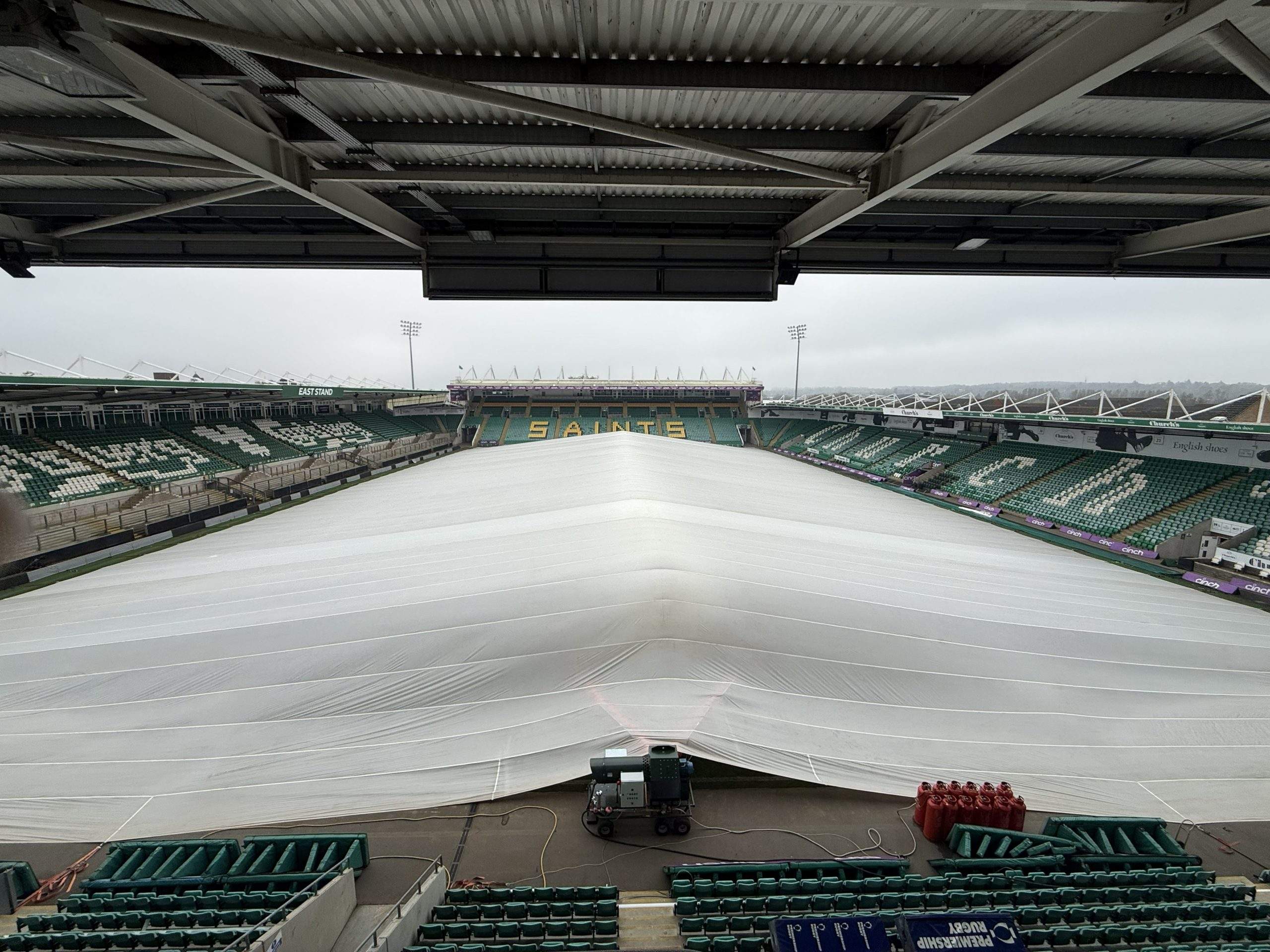
The delegation visited Northampton Saints’ cinch Stadium at Franklin’s Gardens to see the MacLeod system deployed in a live stadium environment and understand how raised pitch protection could support their own venues.
Why Japanese venues are looking at pitch protection now
Japanese professional football has moved to a winter calendar. From 2026-27 the J.League has switched from its long-standing February-to-December schedule to an autumn–spring season, aligned with Europe and with the AFC Champions League Elite. The new season kicked off on 7 August 2026 and runs through to early June 2027, with a winter break of around two months from late December until mid-February.
The break is designed to take the harshest weeks of January out of the fixture list. What it does not do is take winter out of the season. Competitive football is now played through November and December, and again from mid-February into March, the shoulder weeks when frost, snowfall and low soil temperatures do most of their damage. For venues in Japan’s colder and snow-affected regions, those are precisely the weeks in which a surface can move from playable to unplayable overnight.
For a grounds team, a winter season changes the job in four practical ways:
- Fixtures inside the frost and snow window. Surface preparation and snow clearance become part of match-day planning rather than an off-season concern.
- Slower recovery between matches. Shorter days and lower soil temperatures mean less growth available to repair wear.
- Training grounds under continuous load. First-team preparation continues through the break, even when the stadium pitch is resting.
- A February restart. The pitch has to come out of the break presentable and playable, which makes the break itself a managed growth period rather than downtime.
This is the backdrop to the visit. The venues represented were not only asking whether a pitch protection system works. They were asking whether it works inside their own staffing, storage and match-day routines, across a full winter season, the same question UK and European venues ask when they assess frost protection ahead of a season, or plan a turf growth window between fixture blocks.
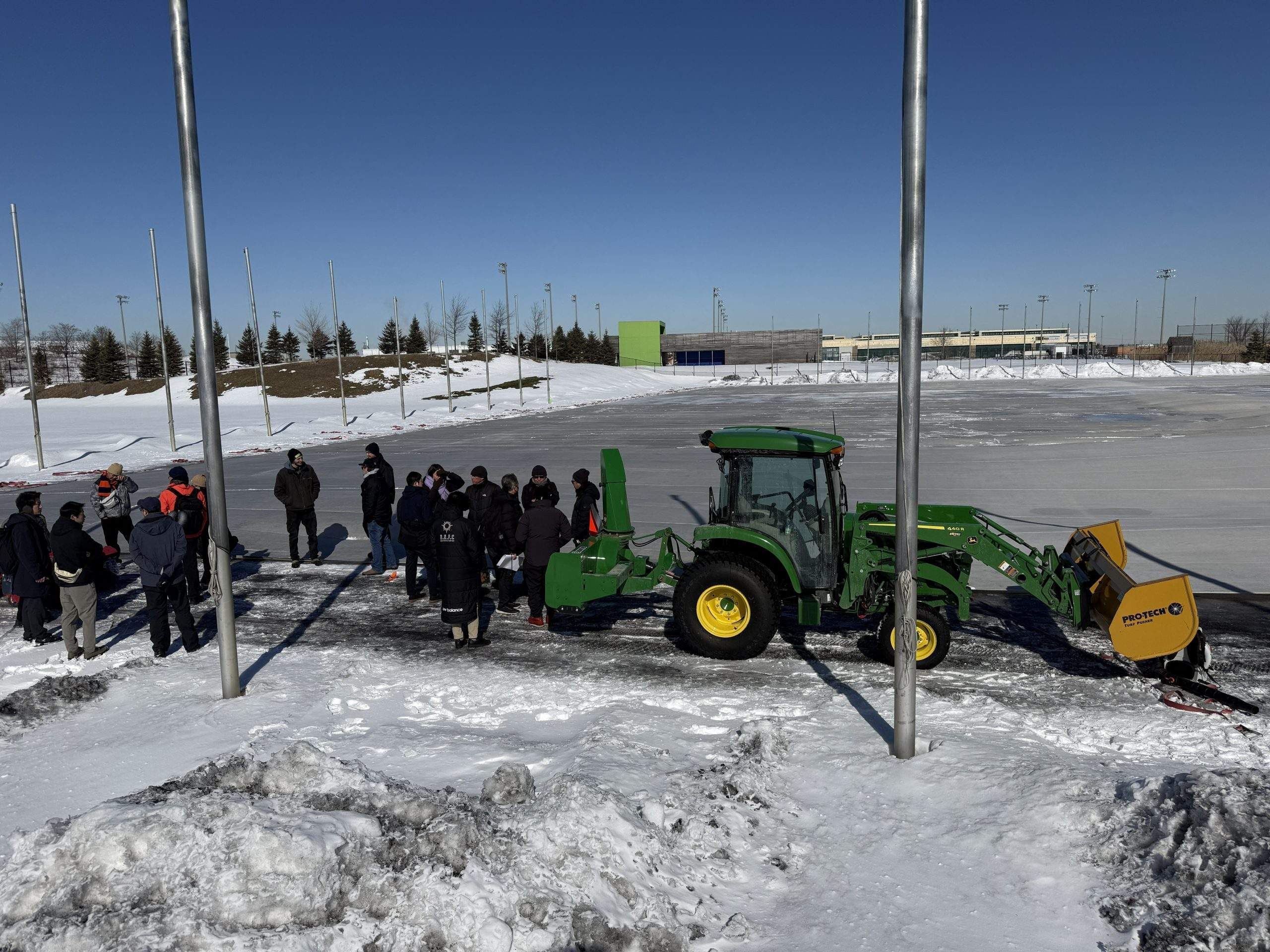
Seeing the pitch protection system in operation at BMO Field Training Venue (Toronto)
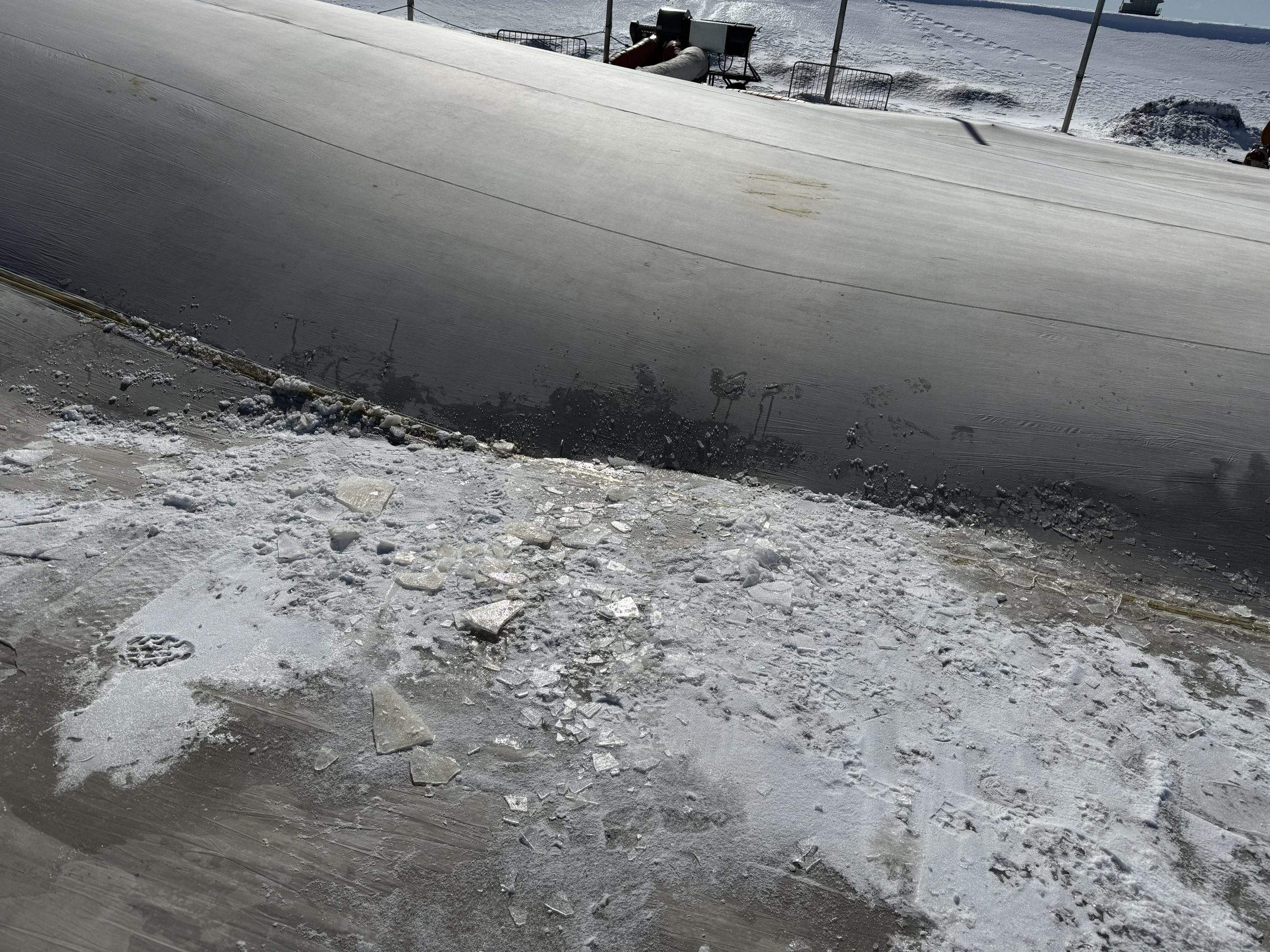
The first part of the visit took place at the BMO Field Training Venue in Toronto. Guests were able to view the MacLeod Cover System operating in a snowy, cold environment and see how the system can be used effectively in conditions that Toronto experiences, conditions that can be comparable to winter periods in Japan.
- How is the pitch protection system deployed and managed in real winter conditions?
- What does good operational planning look like when forecasts change quickly?
- How does the system support surface protection when conditions deteriorate?
With the new calendar placing competitive fixtures either side of the winter break, the comparison between Toronto’s conditions and a Japanese winter is more directly relevant than it was a season ago.
Hands-on demonstration in the UK: installation, management and removal at Franklin’s Gardens
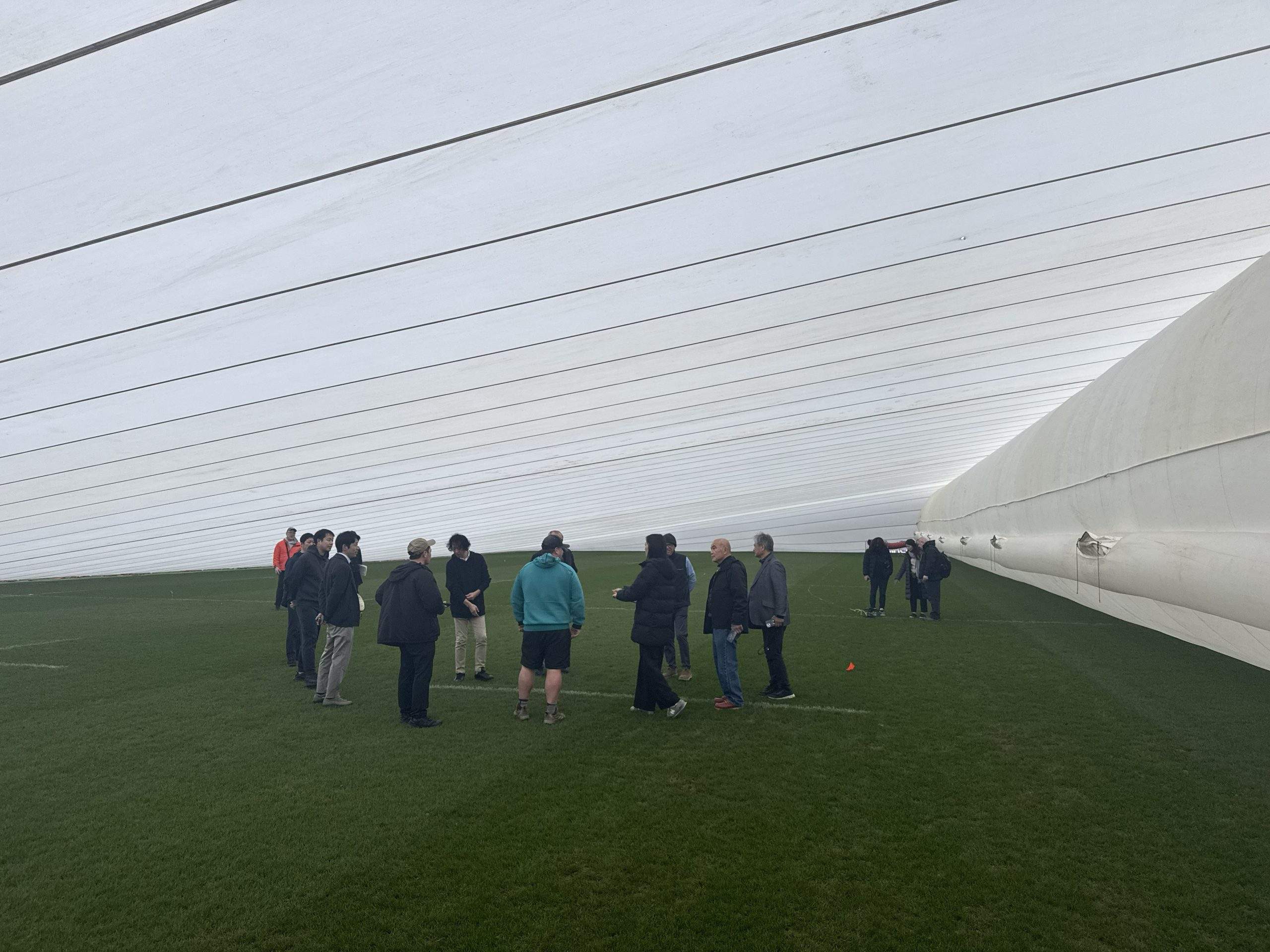
The group then travelled to the UK to see a MacLeod System up close at Franklin’s Gardens, home of Northampton Saints Rugby Club.
This session focused on the operational reality of a pitch protection cover, seeing it installed, managed and removed by Sports & Stadia staff. For many venues, the ability to observe each stage of the process is key, because operational efficiency and repeatability are often as important as the technical specification.
Technical Q&A: how the pitch protection system is made and operated
- How the protection system is made
- How it is operated in practice
- Relevant technical details that support planning and procurement
These discussions are particularly valuable for venues preparing for winter conditions, where the right pitch protection system can help reduce risk, protect the playing surface, and support fixture continuity.
Partnership in Japan: Kofu Field
Kofu Field are the official distributors for Sports & Stadia of the MacLeod Cover System in Japan. They work with stadiums, clubs and local authorities across the country on natural turf, sports surfaces and field construction, which means the MacLeod System is presented to Japanese venues alongside the wider agronomy and construction picture rather than in isolation.
Their own overview of the system sets out how it is positioned for Japanese conditions, snow cover, heavy rain and high summer temperatures, and how it fits venues in cold and snow-affected regions:
→ Pitch Cover System – Kofu Field
Kofu Field also filmed the MacLeod System during the visit. The footage is collected in a dedicated playlist covering the system in operation, from installation through to removal:
→ Pitch Cover System playlist – Kofu Field on YouTube
Sports & Stadia and the MacLeod Cover System feature on page 29 of Kofu Field’s current product catalogue:
→ Kofu Field Product Catalog 2026
Working with trusted local partners helps ensure stadiums can access the right technical guidance and operational support when evaluating a protection system for their venue, climate and event schedule — particularly where a season has just changed shape and the operational assumptions behind it need revisiting.